

Dermatological Treatments

Pigmentation Treatment

Treatment planned according to the type of pigmentation: sun spots, melasma and post-acne marks.

Overview

Skin pigmentation consists of brown discolourations caused by increased melanin in certain areas. Sun exposure, hormonal changes, pregnancy, acne and other inflammatory skin diseases can cause them.

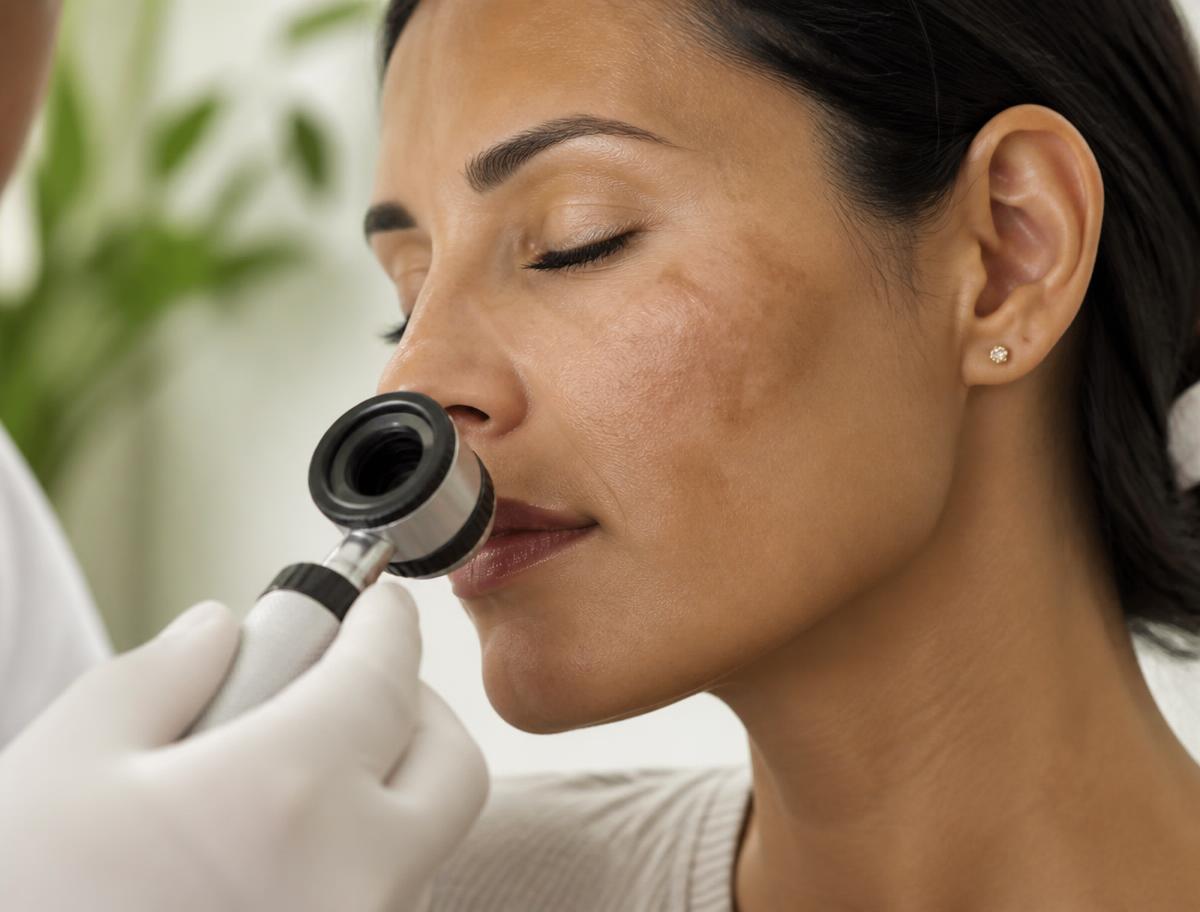
Not every pigment spot is the same. Sun spots, melasma and post-acne marks differ in mechanism and treatment, so the first step is to correctly identify the type.

How Is Pigmentation Treated?

Treatment is planned according to the type and depth of the pigmentation, the person's skin type and sun exposure.

Rather than a single method, different methods can be combined when needed.

Pigmentation Treatment

Appointment

The type of pigmentation is determined during the consultation and treatment is planned to suit your skin type.

Appointment · +90 533 551 41 62

Types of Pigmentation

The Most Common Types of Pigmentation

01

Sun Spots

Long-term sun exposure can cause brown spots, particularly on sun-exposed areas such as the face, backs of the hands, décolleté and arms.

For sun spots, topical treatments, chemical peels, IPL or laser applications may be used according to the spot's structure and the person's skin type.

02

Melasma

Melasma is a pigmentation problem with mostly symmetrical brown or grey-brown patches on the forehead, cheeks, nose and upper lip.

Sun, genetic predisposition and hormonal factors can play a role in the development of melasma.

Melasma has a strong tendency to recur, so regular sun protection and suitable brightening treatments form the basis of therapy.

03

Post-Acne Brown Marks (PIH)

Brown marks remaining after acne heals are called post-inflammatory hyperpigmentation (PIH). They can be more pronounced and longer lasting in darker skin types. Controlling the acne and sun protection are essential parts of treatment.

Topical Treatments

Brightening Creams

Alongside sun protection, topical treatments play an important role in pigmentation treatment.

Depending on individual needs;

  • Hydroquinone,
  • Azelaic acid,
  • Retinoids,
  • Tranexamic acid,
  • Kojic acid,
  • Arbutin,
  • Vitamin C

different active ingredients such as these can be used.

Not every brightening product suits every skin. Uncontrolled use of strong actives in particular can cause irritation and make pigmentation darker.

Treatment Methods

01

Chemical Peeling for Pigmentation

Chemical peeling is the application of different acids to create controlled renewal in certain layers of the skin.

Glycolic acid, salicylic acid, mandelic acid or other peeling solutions can be used according to skin type and the characteristics of the pigmentation.

It can be added to the plan especially for superficial pigmentation and post-acne marks.

02

IPL for Pigmentation

IPL (Intense Pulsed Light) can be used especially for sun-induced superficial brown spots and freckles.

Light energy is absorbed by melanin in order to target pigmented areas.

IPL can be an effective option for sun spots, freckles and uneven skin tone caused by sun damage.

After the session, the targeted spots may temporarily darken and then flake off superficially.

03

Q-Switch Laser for Pigmentation

Q-Switch lasers target pigment with very short, high-energy pulses.

With appropriate wavelengths and parameters;

  • Sun spots,
  • Freckles,
  • Certain superficial pigmentations,
  • Selected melasma patients

it can be used for these.

Low-energy Q-Switch sessions may be preferred in some people with melasma, but because melasma recurs, treatment must be planned individually.

Protection

Why Is Sunscreen Important in Pigmentation Treatment?

One of the most important steps in pigmentation treatment is regular sun protection.

UV rays increase melanin production, darkening existing spots and causing new ones.

In melasma especially, not only UV but also visible light can increase pigmentation, so tinted sunscreens containing iron oxide may be preferred in suitable people.

Process

How Long Does Pigmentation Treatment Take?

The duration of treatment varies with the type of pigmentation.

While results may come quickly for some superficial sun spots, treatment can take several months for melasma and post-acne pigmentation.

In melasma in particular, the aim is not only to lighten existing patches but also to keep recurrence under control as far as possible.

Frequently Asked Questions

Frequently Asked Questions About Pigmentation Treatment

Choosing the right method starts with correctly identifying the type of pigmentation.

Does pigmentation disappear completely?+

It depends on the type. Some superficial sun spots can fade markedly, while recurrent conditions such as melasma may require long-term control.

Can pigmentation treatment be done in summer?+

It depends on the method. Sun exposure matters particularly for peels, IPL and some lasers. The timing is decided according to skin type and sun exposure.

Which is better, IPL or Q-Switch laser?+

Neither is universally better. IPL may suit sun spots, while Q-Switch lasers may suit certain pigmentation types. The choice depends on the type of spot and the skin type.

Why does melasma recur?+

Melasma is a chronic pigmentation problem influenced by genetic, hormonal and environmental factors. Sun and visible light exposure can darken it again after treatment.

Do post-acne brown marks fade?+

Yes. PIH can fade on its own over time. Sun protection and suitable topical treatments can speed up the process.

Assessment

Pigmentation Treatment Is Planned Individually

The most important point in pigmentation treatment is first determining what the spot actually is.

IPL or pigment lasers for sun spots, topical treatments and suitable peels for post-acne marks, and primarily sun protection with brightening treatments for melasma.

When needed, methods such as chemical peeling, IPL and Q-Switch laser can be added according to skin type and the features of the pigmentation.

The aim is not only to lighten existing spots but also to reduce new pigment formation and recurrence as much as possible.