Hair Treatments

Hair PRP

Platelet-rich plasma obtained from the person's own blood is used to support viable hair follicles and preserve hair quality and density.

Overview

PRP is the application of platelet-rich plasma obtained from a person's own blood to the scalp. PRP stands for “Platelet Rich Plasma”.

Through the growth factors released by platelets, the aim is to support hair follicles, positively influence the hair growth cycle and improve hair quality.

PRP can be used as part of a treatment plan especially in people whose hair follicles are still viable but whose hair has thinned and density has decreased.

How Is PRP Performed?

During the procedure, a small amount of blood is first drawn from the person.

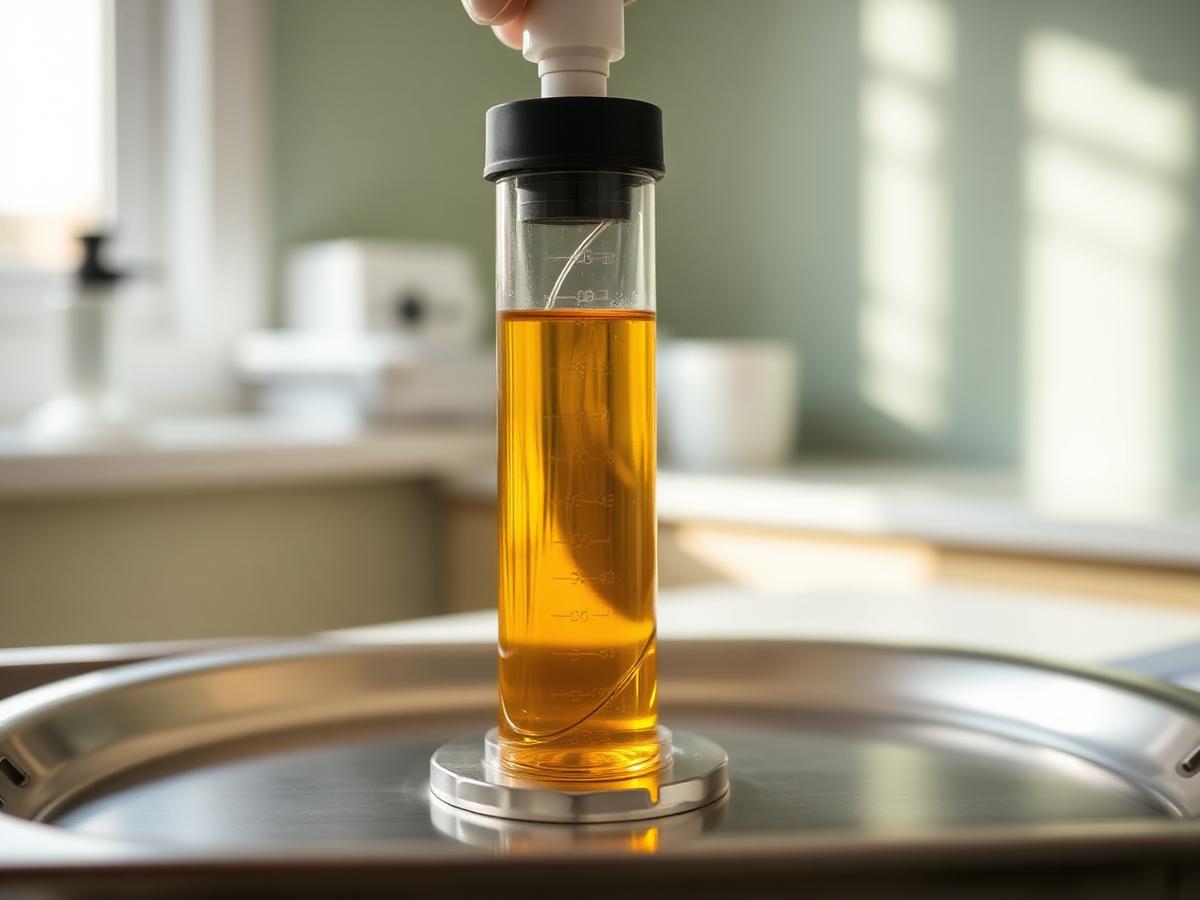
The blood is centrifuged in special tubes to separate its components and obtain the platelet-rich plasma fraction.

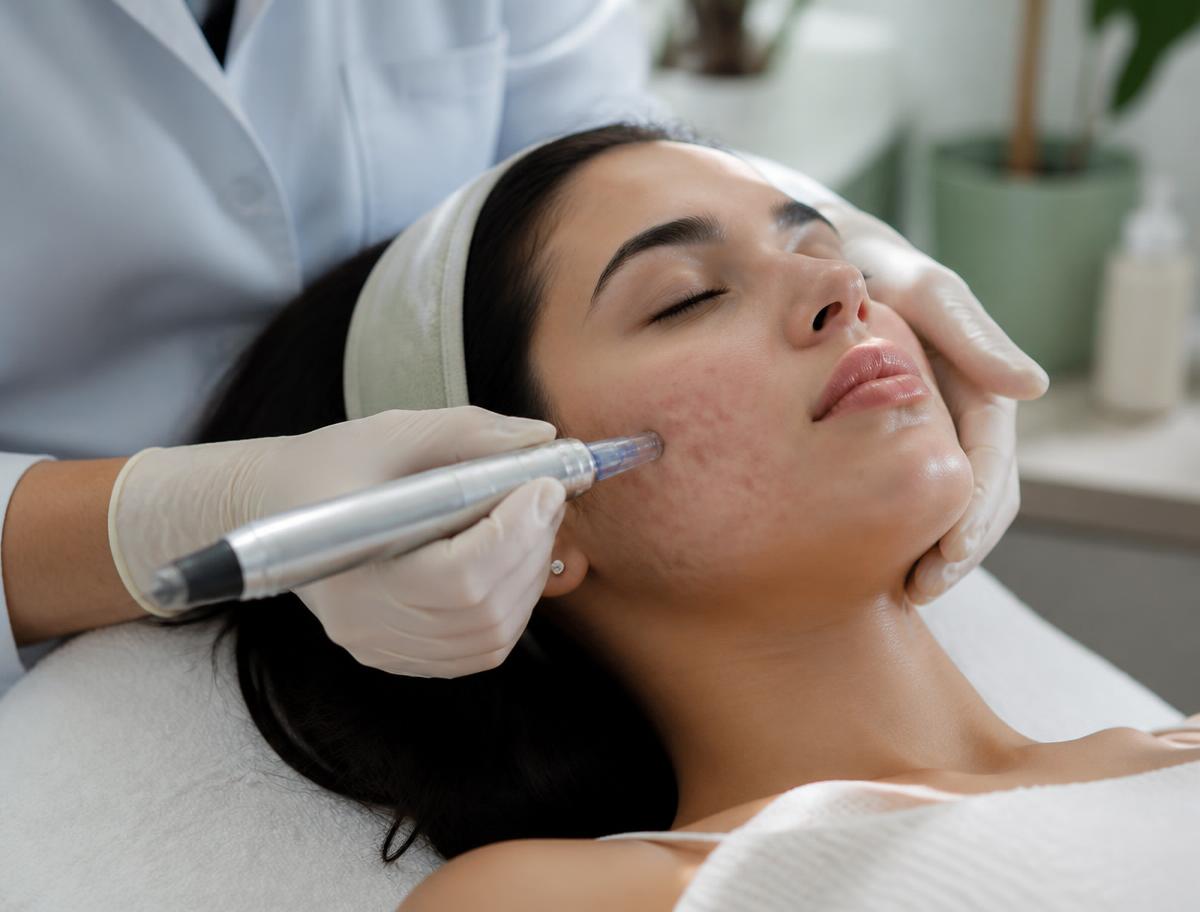
The prepared PRP is delivered as small injections with very fine needles into the areas of the scalp affected by hair loss or thinning.

A topical anaesthetic cream can be used beforehand when needed.

Hair PRP

Appointment

The type and duration of hair loss and the condition of the scalp are assessed together during consultation.

Appointment · +90 533 551 41 62

Eligibility

Who Is PRP Suitable For?

PRP is especially suitable for;

  • Those with female and male pattern hair loss (androgenetic alopecia),
  • Those whose hair strands have begun to thin,
  • Those experiencing reduced hair density,
  • Those who want to support hair quality,
  • Those seeking support alongside medical hair loss treatments,
  • Those who want to support hair growth at the appropriate time after a hair transplant

It is preferred in these individuals.

Mechanism of Action

How Does PRP Work?

The platelets in PRP contain various growth factors and biological signals. These factors aim to help with;

  • Supporting the tissues surrounding the hair follicle,
  • Prolonging the hair growth phase,
  • Supporting hair strand thickness,
  • Increasing hair density

PRP does not create new hair follicles. Its core purpose is to support existing, viable follicles.

Indication

Which Types of Hair Loss Is PRP Used For?

PRP can be used as a supportive treatment especially in androgenetic alopecia, that is female and male pattern hair loss. However, if the cause of hair loss is;

  • Iron deficiency,
  • Thyroid disorders,
  • Vitamin or mineral deficiencies,
  • Hormonal disorders,
  • Intense stress,
  • Certain medications,
  • Scalp disorders

then these causes must first be evaluated and treated where necessary.

Process

01

How Many PRP Sessions Are Needed?

There is no single protocol that applies to everyone.

Several sessions at set intervals are usually applied in the initial period. Maintenance sessions are then planned according to the response to treatment.

The number of sessions and intervals are determined by the type and degree of hair loss and current hair density.

02

When Do PRP Results Appear?

Because the hair growth cycle is long, PRP results are not expected immediately.

Some people notice reduced shedding earlier, while several months may be needed to assess changes in hair thickness and density.

The hair growth cycle must be taken into account when evaluating treatment results.

03

Does PRP Grow New Hair?

PRP is not intended to create new follicles where follicles have been completely lost.

PRP is applied to support follicles that have thinned but are still viable.

In long-standing bald areas where follicles have disappeared, PRP is not expected to produce new hair.

Comparison

Does PRP Replace a Hair Transplant?

No. PRP and hair transplantation serve different purposes.

In people with complete follicle loss and marked bald areas, PRP is not a substitute for a hair transplant.

In suitable patients, however, it can be used to support existing hair or to support healing and hair growth after a transplant.

Frequently Asked Questions About PRP

PRP Is Planned Individually

Before PRP, the type and duration of hair loss, the condition of the scalp and current follicle density must be assessed.

Where necessary, blood tests can be performed to investigate iron, vitamin, thyroid or hormonal factors.

In suitable individuals, PRP can be planned not alone but together with medical hair treatments and other supportive procedures when needed.

The aim is to protect existing follicles, support hair thickness and quality, and help control hair loss.

Is PRP painful?+

As small injections are made into the scalp, brief stinging and tenderness may be felt. A topical anaesthetic cream can be applied beforehand when needed.

Is PRP prepared from the person's own blood?+

Yes. PRP is prepared from the person's own blood. The drawn blood is centrifuged, the platelet-rich plasma is separated and applied to the same person.

Are PRP and hair mesotherapy the same?+

No. PRP is prepared from the person's own blood, whereas hair mesotherapy uses products containing amino acids, vitamins, minerals, peptides or other supportive ingredients formulated for the scalp. Both methods can be combined within the same plan in suitable individuals.

Are PRP results permanent?+

Because the underlying cause of hair loss may persist, PRP results are not expected to be lifelong. Androgenetic alopecia in particular is a chronic, progressive process, so continuing medical treatment and planning maintenance sessions may be necessary.

Can I return to daily life after PRP?+

Yes. Most people can continue with daily life afterwards. Short-lived redness, tenderness or mild swelling at injection points may occur on the scalp.

Can PRP be performed during pregnancy?+

Postponing cosmetic or supportive PRP treatments until after pregnancy is preferred.