Aesthetic Procedures

Chemical Peel

Chemical peeling is the application of various acids and solutions to the skin to create controlled renewal in specific skin layers.

Overview

Chemical peeling is the application of various acids and solutions to the skin to create controlled renewal in specific skin layers.

The aim is to support the removal of damaged cells on the skin surface, accelerate cell renewal and help balance skin tone, texture and overall appearance.

Depending on the product type, concentration and the depth reached in the skin, chemical peeling can be planned as superficial, medium-depth or deeper.

How Is Chemical Peeling Performed?

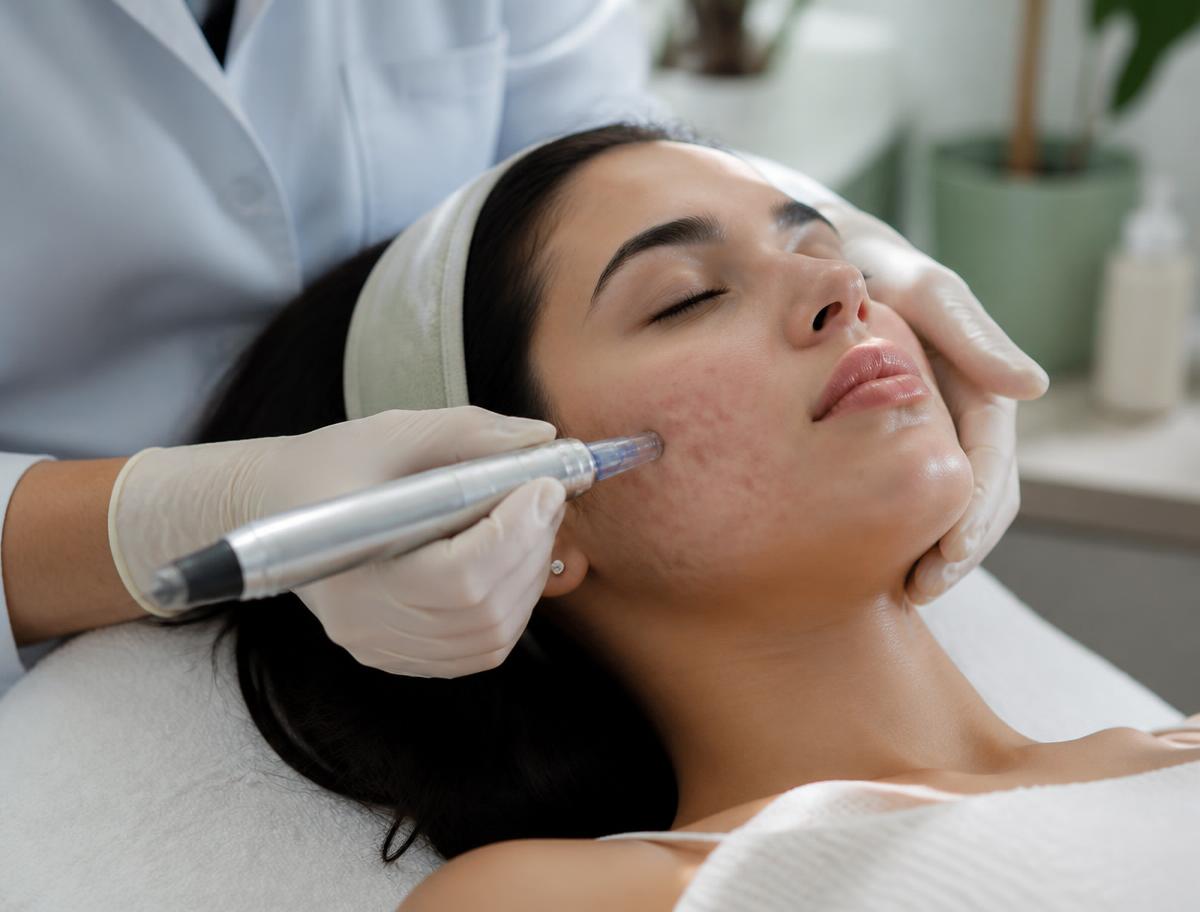
Before the procedure the skin is cleansed and prepared. The selected peeling solution is then applied for a defined time.

Depending on the product, mild burning, stinging or warmth may be felt during the procedure. When needed, the application is ended or neutralised.

Temporary redness, sensitivity, dryness or peeling may occur afterwards. The degree depends on the type and depth of the peel used.


Chemical Peel

Appointment

The peeling agent, concentration and depth are determined individually during the consultation.

Appointment · +90 533 551 41 62

Eligibility

Who Is Chemical Peeling Suitable For?

Chemical peeling is particularly preferred for people who;

  • have uneven skin tone,
  • have sun spots and superficial pigmentation problems,
  • have post-acne discolouration,
  • have dull and irregular-looking skin,
  • are starting to notice fine lines,
  • have acne-prone skin or visible pores

Applications

Which Concerns Can Chemical Peeling Address?

Depending on individual needs, chemical peeling can be used as part of the treatment plan for;

  • Acne and acne-prone skin
  • Post-acne marks
  • Sun spots
  • Pigmentation problems such as melasma
  • Uneven skin tone
  • Dull, lacklustre skin
  • Fine wrinkles
  • Refining skin texture and pore appearance

The same peeling agent is not used for every skin concern. The treatment must be selected according to skin type and the targeted problem.

01

Does the Skin Peel Afterwards?

Noticeable peeling does not necessarily occur after every chemical peel.

Superficial peels may cause mild dryness and fine flaking, while stronger or deeper treatments can cause more noticeable peeling.

More peeling does not mean a more effective treatment. The aim is controlled renewal appropriate to the skin type.

02

What Should Be Considered After the Treatment?

The skin may remain sensitive for a while after a peel. Therefore it is important to;

  • protect the skin well from the sun,
  • use a high-factor sunscreen regularly,
  • temporarily avoid products that irritate the skin,
  • not pick at crusts or peeling skin,
  • use the moisturisers and care products recommended by your doctor

In particular, neglecting sun protection after the procedure can increase the risk of pigmentation.

How Many Sessions Are Needed?

The number of sessions depends on the type of peel used and the concern being treated.

A single session may be enough for some treatments, while superficial peels in particular may be planned as several sessions at set intervals.

Frequency and session count are determined according to skin type and individual response to treatment.

When Are the Results Visible?

After superficial peels, brighter and smoother-looking skin can be noticed within a short time.

For pigmentation, acne or skin texture, results usually appear gradually as sessions progress.

Frequently Asked Questions

Chemical Peeling Is Planned Individually

The acid used, its concentration, application time and peel depth are determined according to skin type and the concern being treated.

The aim is not to over-exfoliate the skin but to achieve a more balanced tone, smoother texture and healthier appearance through controlled renewal.

Does chemical peeling thin the skin?+

With the right product, concentration and protocol, the aim is not to thin the skin but to support controlled renewal and remodelling.

Does chemical peeling help with pigmentation?+

Suitable peeling agents can be used for some superficial pigmentation problems and post-acne marks. However, not all pigmentation is the same. In melasma especially, careful treatment planning and sun protection are important.

Does chemical peeling help with acne?+

Some peeling agents can be included in the plan to reduce oiliness, comedone formation and post-acne discolouration. Depending on the acne type, peeling can be used alone or with other treatments.

Does chemical peeling remove scars?+

Peeling can help with superficial discolouration and skin texture, but may not be sufficient alone for deep atrophic acne scars. In such cases laser, gold needle, subcision or other methods may be considered.

Can I wear make-up after a chemical peel?+

It depends on the depth of the treatment and the condition of the skin. If there is marked sensitivity or peeling, make-up may need to be postponed. Follow your doctor's aftercare advice.

Can chemical peeling be done during pregnancy?+

The peeling agents that can be used in pregnancy are limited and not every chemical peel is appropriate. Cosmetic peels during pregnancy should therefore only be planned after medical evaluation.