Hair Treatments

Stem Cell Treatment

Cellular, regeneration-supporting content prepared from the person's own tissue is used to protect and support existing hair follicles.

Overview

Hair stem cell treatment is a method that aims to support existing hair follicles by applying cellular and regeneration-supporting structures obtained from the person's own tissue to the scalp.

The main aim is not to create new hair follicles, but to help support existing, viable follicles and to increase strand thickness and hair density.

Since different methods can be offered under the name “stem cell therapy”, the system used and the content of the resulting product matter.

How Is Stem Cell Treatment Performed?

In hair procedures described as “stem cell” treatments, the procedure can differ according to the method used.

Some methods use very small tissue samples taken from the person's scalp, while others use the person's own tissues such as fat tissue.

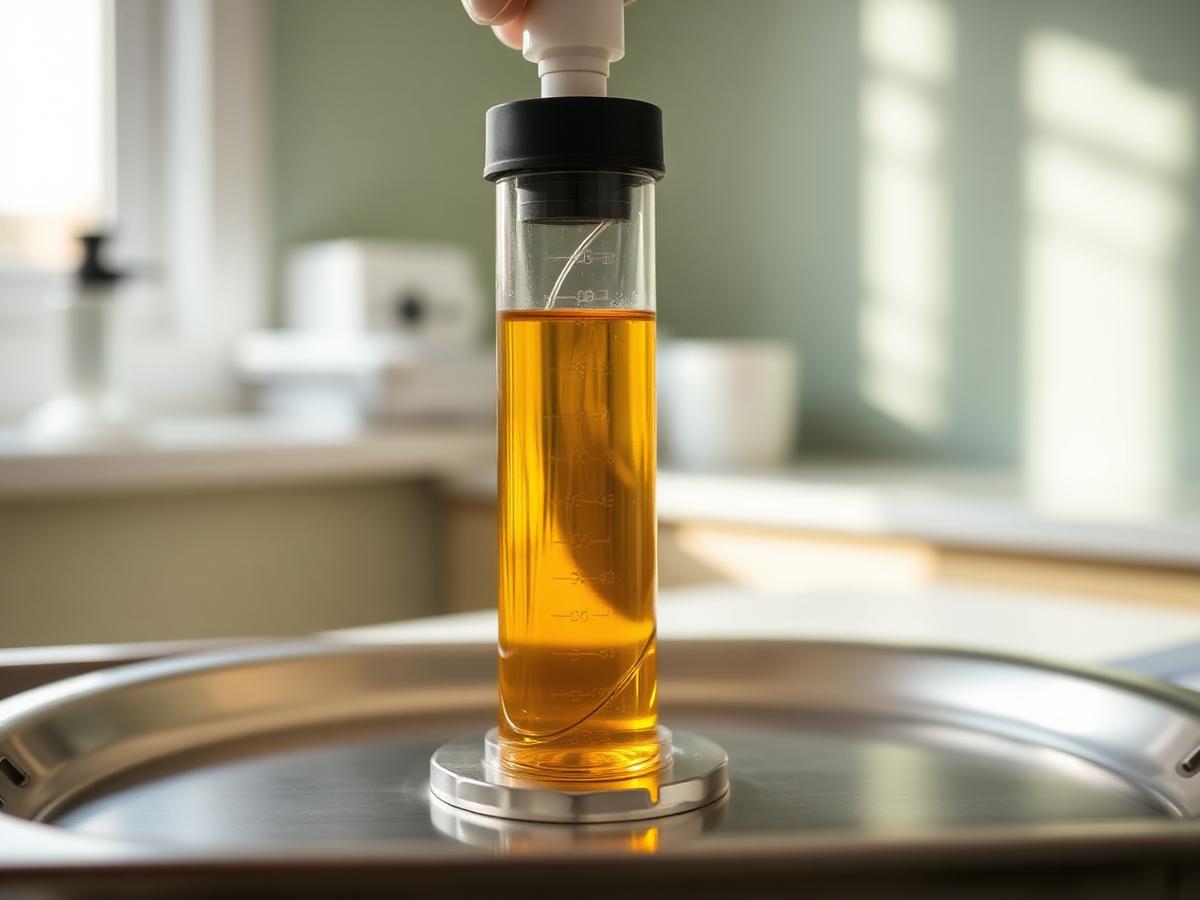
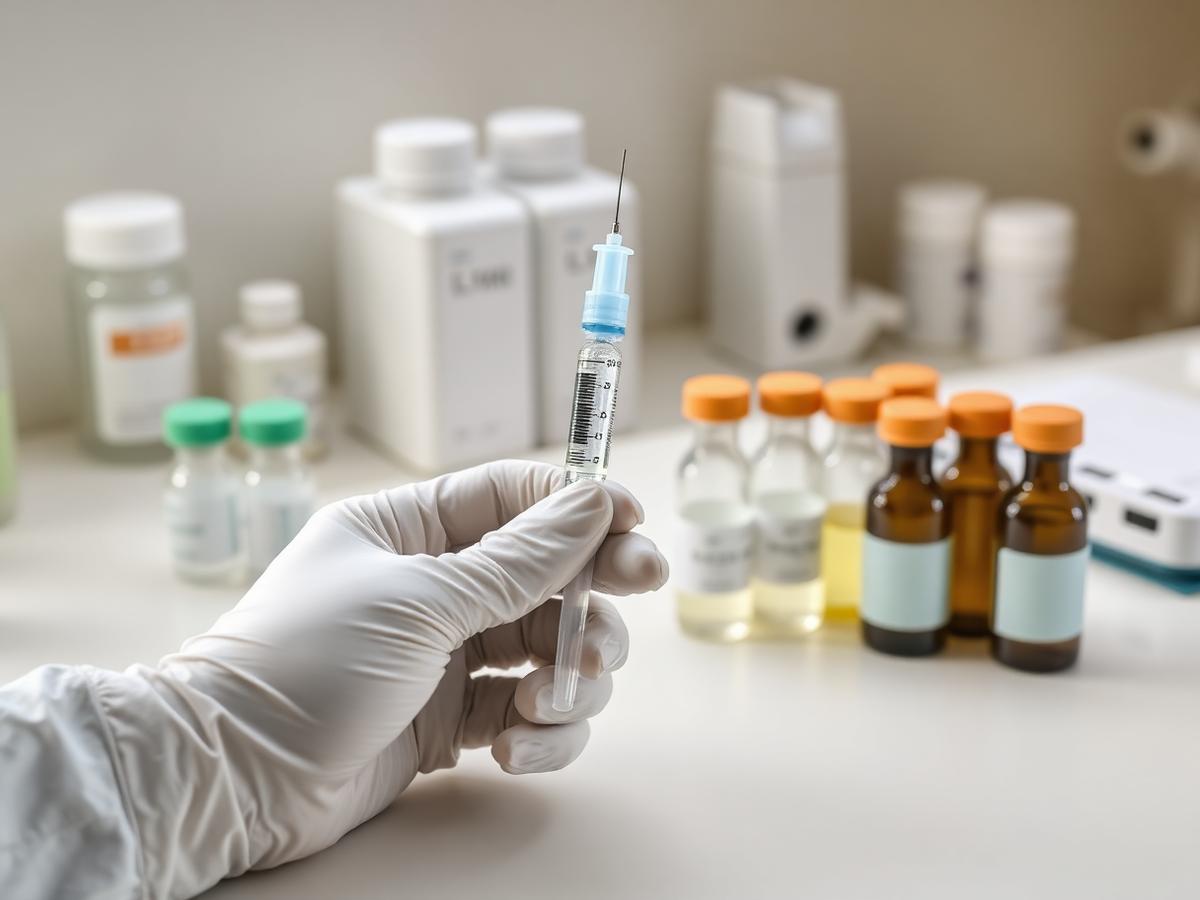
The harvested tissue is processed to prepare a product rich in cellular and regeneration-supporting structures. The resulting product is delivered to thinning areas with small injections.

Local anaesthesia can be applied to the donor area and the scalp before the procedure.

Stem Cell Treatment

Appointment

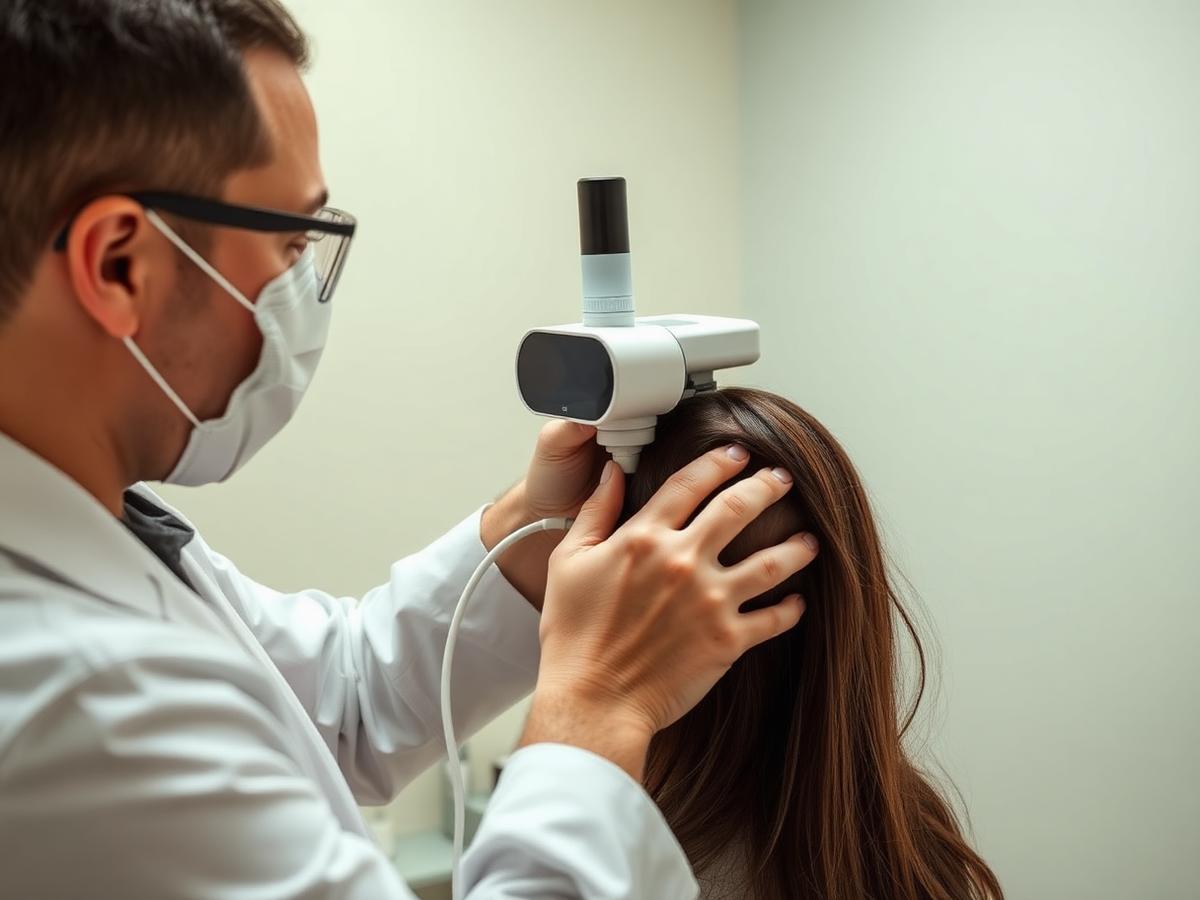
The cause and type of hair loss and follicle viability are assessed together during the consultation.

Appointment · +90 533 551 41 62

Eligibility

Who Is Stem Cell Treatment Suitable For?

Hair stem cell treatment may be considered especially for;

  • Those with female and male pattern hair loss (androgenetic alopecia),
  • Those whose hair strands have begun to thin,
  • Those whose hair density is decreasing,
  • Those who want to support their existing hair follicles,
  • Those who want to improve hair quality and thickness,
  • Those looking for a supportive procedure alongside other hair loss treatments

In areas where the follicles are completely lost and which have long been bare, these procedures are not expected to create new hair follicles.

Mechanism of Action

How Does Stem Cell Treatment Work?

The aim is for cellular structures and growth factors obtained from the person's own tissue to support the regenerative processes around the hair follicle.

In this way;

  • supporting existing hair follicles,
  • helping increase the thickness of thinned hair strands,
  • supporting the hair growth cycle,
  • and helping improve hair density and quality

are targeted. The outcome can vary according to the type and degree of hair loss and the condition of existing follicles.

Comparison

What Is the Difference Between Hair Stem Cell Treatment and PRP?

Both procedures can use the person's own biological material, but the resulting product and the preparation method differ.

In PRP, blood taken from the person is centrifuged to prepare platelet-rich plasma.

In stem cell or cellular procedures, small tissue samples taken from the person's own tissue are processed to prepare a product rich in cellular and regeneration-supporting structures.

Which method is appropriate is determined by the type of hair loss and the overall treatment plan.

Are Stem Cells and Exosomes the Same Thing?

No. Stem cells and exosomes are not the same thing.

Stem cell or cellular procedures use cellular material obtained from the person's own tissue.

Exosomes, on the other hand, are not cells. They are very small structures secreted by cells that carry biological signals between cells.

For this reason it is not correct to use the terms “stem cell” and “exosome” interchangeably.

Process

01

Does Stem Cell Treatment Grow New Hair?

What matters here is the condition of the existing hair follicles.

The main purpose of hair stem cell treatment is not to create brand new follicles in place of completely lost ones. The aim is to support follicles that have thinned but are still viable.

It is therefore more appropriate to consider it in the early stages of hair loss, in people whose follicles are not completely lost.

02

How Many Sessions Does Stem Cell Treatment Require?

The number of sessions varies according to the method used.

Some autologous cellular procedures can be planned as a single session, while follow-up or additional applications may be considered depending on the system used and individual needs.

For this reason it is not accurate to speak of a standard session protocol for everyone, as with PRP or mesotherapy.

03

When Are the Effects of Stem Cell Treatment Seen?

Because the hair growth cycle is long, results are not expected immediately.

Changes in shedding may be noticed earlier, but several months may be needed to assess changes in hair thickness and density.

Results can differ according to the duration and degree of hair loss and the condition of existing follicles.

Frequently Asked Questions About Stem Cell Treatment

Stem Cell Treatment Is Planned Individually

Before deciding on the method to be used, the cause, type and duration of hair loss and the current condition of the hair follicles must be assessed.

Since different methods exist under the name “stem cell”, which tissue is used, how it is prepared and the content of the resulting product are important.

Hair stem cell treatment should be regarded not as a substitute for necessary medical therapy, but as a supportive procedure that can be added to the treatment plan in suitable people.

The aim is to preserve existing follicles as far as possible, support thinned hair and help improve hair quality.

Does stem cell treatment grow new hair?+

The aim is not to create new follicles in place of completely lost ones, but to support existing, viable follicles. It is therefore not expected to replace a hair transplant in areas that have long been completely bare.

Is stem cell treatment made from the person's own tissue?+

Stem cell treatment uses the person's own tissue. Depending on the method, small tissue samples from the scalp or other sources such as fat tissue may be used.

Is stem cell treatment painful?+

Local anaesthesia can be applied both to the donor area and to the scalp during the procedure. Short-lived tenderness, redness, swelling or bruising may be seen afterwards.

Are the effects of stem cell treatment permanent?+

Hair loss such as androgenetic alopecia can be chronic and progressive. The procedure is therefore not expected to eliminate the underlying process entirely or to provide lifelong results. Where necessary, continuing medical hair treatment is important.

Can stem cell treatment be performed during pregnancy?+

Postponing supportive hair stem cell and cellular procedures until after pregnancy is preferred.