
Aesthetic Procedures

IPL (Intense Pulsed Light) Treatment

A light technology that targets sun spots, uneven tone, redness and superficial vessels using light energy at different wavelengths.

Overview

IPL (Intense Pulsed Light) is a light technology that uses light energy at different wavelengths to target sun spots, uneven skin tone, redness and the appearance of superficial vessels.

IPL is not a laser. While laser systems produce light at a specific wavelength, IPL uses a broad light spectrum. Thanks to the filters and device settings used, wavelengths suited to the problem being treated can be selected.

Thanks to this feature, IPL can be used for pigmentation treatment, reducing redness and capillaries, and for rosacea and sun-related skin changes.

How Does IPL Work?

In IPL, the target of the light energy delivered to the skin varies according to the problem being treated.

In brown spots the light energy is absorbed by melanin, while in redness and superficial vessels it is absorbed by haemoglobin. The aim is to create a controlled effect on the targeted structures.

The filter, energy level, pulse duration and other device parameters are determined according to the person's skin type, treatment area and the problem being treated.

IPL (Intense Pulsed Light) Treatment

Appointment

Filter, energy level and pulse duration are determined individually according to skin type during the consultation.

Appointment · +90 533 551 41 62

Applications

Which Concerns Is IPL Used For?

In suitable candidates, IPL can be used for;

  • Sun spots,
  • Freckles,
  • Uneven skin tone,
  • Facial redness,
  • Redness accompanying rosacea,
  • The appearance of superficial capillaries,
  • Sun-related skin changes,
  • Signs of photoaging on the face, neck, décolleté and hands

can be used.

Because IPL can target both pigment and vascular structures in the same session, it may be preferred for skin where sun damage, pigmentation and redness occur together.

01

Pigmentation Treatment with IPL

IPL can be used particularly for superficial sun-related brown spots and freckles.

Pigmented areas are targeted as light energy is absorbed by melanin. After the treatment some spots may temporarily darken in the first days. Fine crusting may then form on the pigmented areas and the appearance of the spots may decrease over time.

The aim is not only to reduce individual spots but also to achieve a more even skin tone.

Not every brown spot is suitable for IPL. Therefore, dermatological evaluation of pigmented lesions before treatment is important.
02

Is IPL Used for Rosacea?

Yes. IPL may be included in the treatment plan, especially for rosacea patients in whom redness and superficial vessels are prominent.

IPL aims to reduce the persistent redness and visible superficial vessels accompanying rosacea.

Since rosacea is a chronic and recurring condition, IPL may be planned together with medical treatment, appropriate skincare and sun protection when needed.

03

Photoaging Treatment with IPL

Long-term sun exposure can over time cause brown spots, redness, superficial vessels and uneven skin tone.

Because IPL can target both pigment and vascular structures, it can be used in people who have these sun-related changes together.

The aim may be to reduce the appearance of sun damage on the face, neck, décolleté and hands and to achieve a more even skin tone.

Vascular

Redness and Capillary Treatment with IPL

One of the important uses of IPL is reducing facial redness and the appearance of superficial vessels.

When suitable filters are used, light energy is absorbed by haemoglobin and superficial vascular structures are targeted.

Particularly;

  • Diffuse facial redness,
  • Redness around the cheeks and nose,
  • Erythema accompanying rosacea,
  • The appearance of superficial capillaries

in such conditions.

In people with larger or deeper vessels, different vascular laser systems may be preferred.

Areas

Which Areas Can IPL Be Applied To?

Depending on individual needs, IPL can be applied to;

  • Yüz
  • Neck
  • Décolleté
  • Eller
  • Kollar

and other areas with pigmentation, redness or sun damage.

Since skin thickness and sun exposure differ by area, device parameters are adjusted accordingly.

How Is IPL Performed?

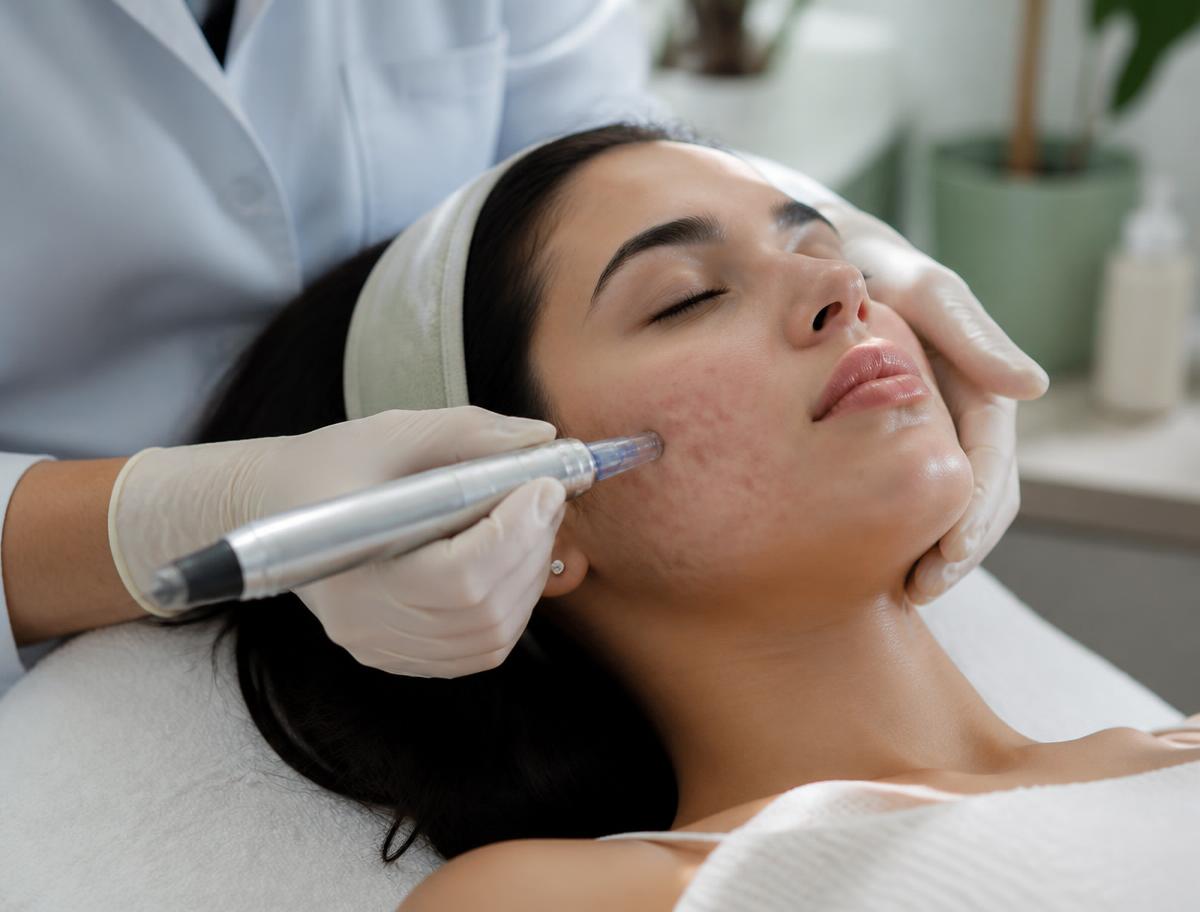
Before the procedure the skin is cleansed and the person's skin type and the problem to be treated are evaluated.

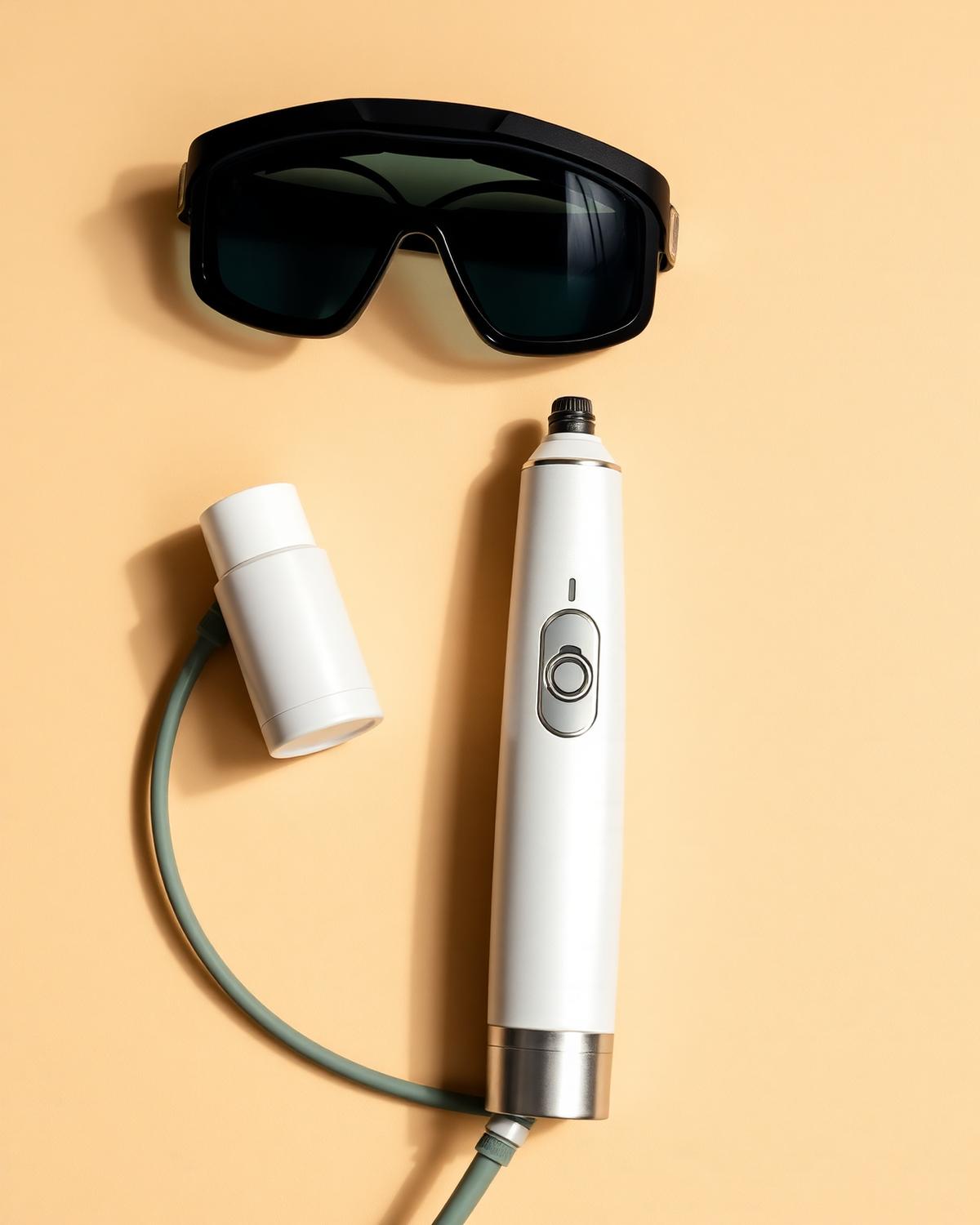
During the treatment special protective goggles are used to protect the eyes from intense light energy. The handpiece is placed on the skin and light pulses are delivered to the designated areas.

During the procedure a brief sensation of warmth or a mild snap like a rubber band may be felt.

Mild redness and a feeling of warmth may occur afterwards, and it is usually possible to return to daily life shortly.

What Is Recovery After IPL Like?

Mild redness and sensitivity may be seen after the treatment.

In pigmentation treatment the targeted brown areas may temporarily darken in the first days. Superficial crusting may then develop and the pigment may lighten over time.

In redness and vascular treatments, temporary redness or mild swelling may occur.

After the procedure it is important to protect against the sun and to use sunscreen regularly.

How Many IPL Sessions Are Needed?

The number of sessions required varies according to the problem treated, the person's skin type and their response to the treatment.

While a noticeable change may be seen early in some superficial pigmentation, multiple sessions may be needed for diffuse redness, rosacea or photoaging.

The number of sessions and treatment intervals are determined individually.

Frequently Asked Questions About IPL

IPL Treatment Is Planned Individually

In IPL, skin type, the targeted pigment or vascular structure, the filter used, the energy level and the pulse duration are all important in planning the treatment.

Melanin is targeted in sun spots and freckles, while haemoglobin is targeted in redness and superficial vessels. In people with more than one concern, treatment can be personalised with different filters and parameters.

For this reason IPL should not be planned with a standard protocol but according to the person's skin and the problem to be treated.

Is IPL a laser?+

No. IPL is not a laser. Lasers produce light at specific wavelengths, while IPL uses a broad light spectrum. Different filters allow wavelengths suited to the targeted structure to be selected.

Is IPL good for sun spots?+

Yes. IPL can be used especially for superficial sun-related brown spots and freckles. However, since not every brown spot is suitable for IPL, a dermatological evaluation should be performed beforehand.

Is IPL good for redness?+

Yes. One of the important uses of IPL is reducing diffuse facial redness and the appearance of superficial vessels.

Is IPL good for rosacea?+

It can be used especially in rosacea where redness and superficial vessels are prominent. Since rosacea is a chronic condition, it is planned together with other treatments when needed.

Why do spots darken after IPL?+

When pigment is targeted, brown spots may temporarily look darker after the procedure. Fine crusting may then develop on pigmented areas and the appearance of the spots may decrease over time.

Is IPL good for pores?+

The main targets of IPL are pigment and vascular structures. Although it can improve the overall appearance of the skin, methods such as fractional microneedling radiofrequency may be more suitable for prominent pores.

Can IPL be done in summer?+

Intense sun exposure and tanning can increase the risk of side effects with IPL. Therefore, the absence of an active tan and effective sun protection before and after the procedure are important. The timing of the treatment is determined according to skin type and sun exposure.