A personalised, combined approach to reduce dimpling on the skin surface.
Overview
Cellulite is a condition that shows itself with dimpling and irregularity on the skin surface, commonly described as an “orange-peel appearance”.
It is most often seen on the buttocks, hips and legs. It is very common in women and does not occur only in people who are overweight. Slim people and those who exercise regularly can also have cellulite.
The aim of cellulite treatment is to reduce the appearance of dimples and irregularities on the skin surface and to obtain a smoother look by supporting skin quality and firmness.
Why Does Cellulite Form?
The subcutaneous fat tissue and the structure of the fibrous bands that connect the skin to deeper tissues play an important role in the formation of cellulite.
The upward pressure of fat tissue combined with fibrous bands pulling the skin downwards can create the characteristic dimpled and bumpy appearance on the skin surface.
Genetic predisposition, hormonal factors, skin structure, age and weight changes can all affect the appearance of cellulite.
Who Gets Cellulite?
Cellulite is very common in women in particular. One of the main reasons is that the subcutaneous connective tissue and fat tissue are structurally different in women and men.
Of normal weight
Overweight
Exercising regularly
Young or older
Therefore cellulite is not simply the result of excess fat.
Appointment
The type of cellulite and accompanying problems are assessed during the consultation and the plan is built individually.
No. Cellulite and localised fat are different conditions.
In localised fat, the amount of fat tissue in a given area is the main issue, whereas in cellulite the dimpling of the skin surface and the connective tissue structure matter.
The same person can have both localised fat and cellulite. In that case both problems are assessed separately in the treatment plan.
Methods
Which Methods Are Used in Cellulite Treatment?
Because cellulite is not due to a single mechanism, applying the same treatment to everyone is not correct.
Depending on the type of cellulite and accompanying problems, mesotherapy, microneedling radiofrequency, subcision and combined applications may be considered.
01
Cellulite Treatment with Mesotherapy
In cellulite mesotherapy, the selected contents are delivered to the targeted areas with many small injections.
The aim is to support skin quality and the appearance of the regional tissue according to the person's cellulite structure.
Mesotherapy can be applied alone or combined with other cellulite treatments.
02
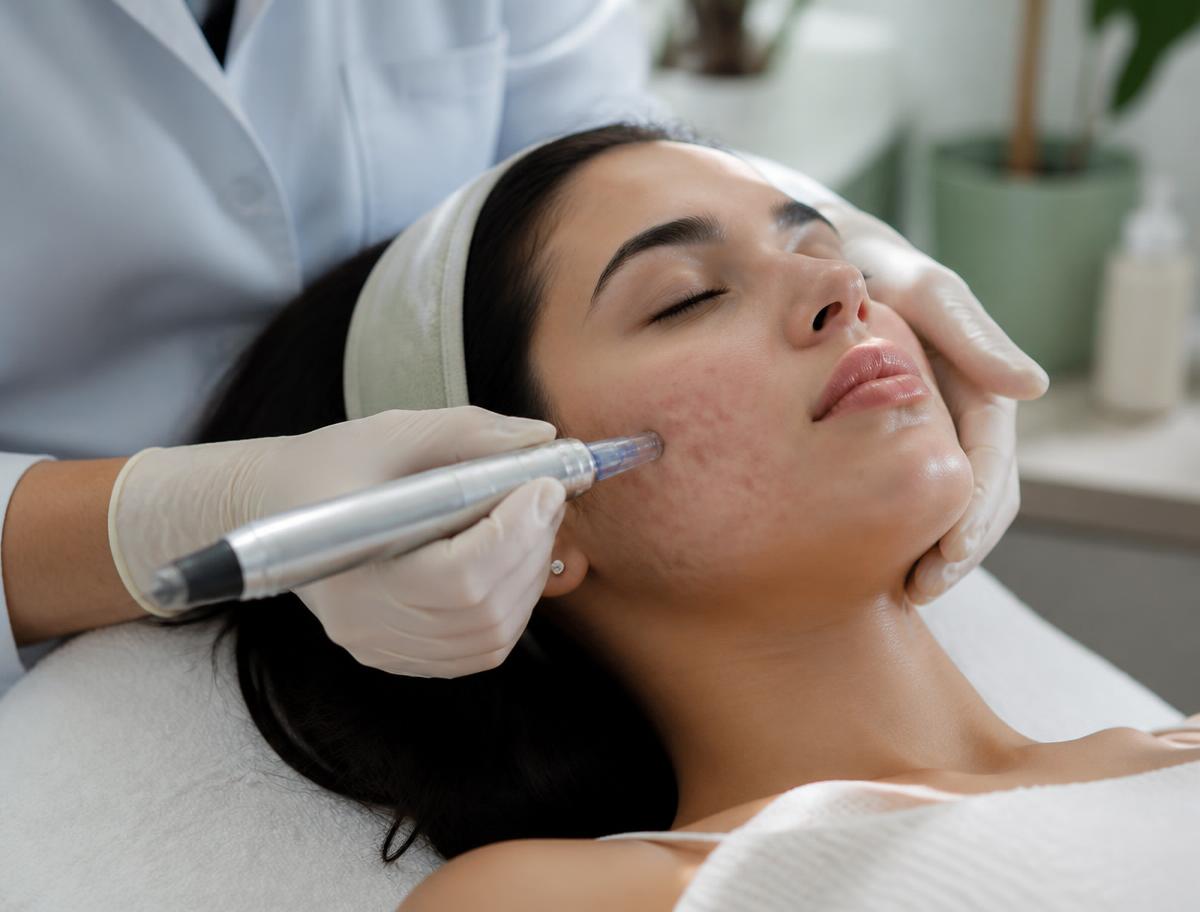
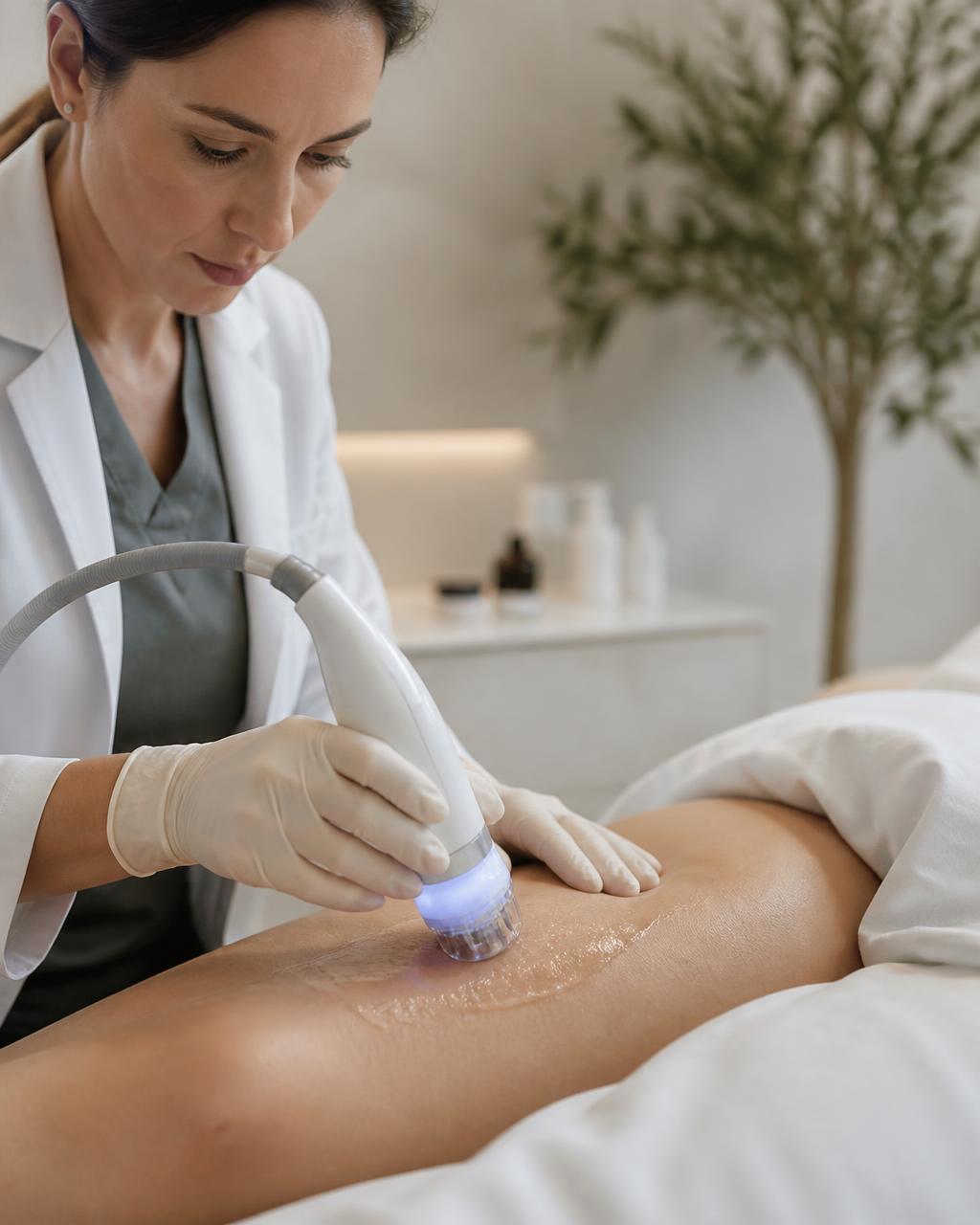
Cellulite Treatment with Microneedling Radiofrequency
With microneedling radiofrequency, radiofrequency energy is delivered through microneedles to defined depths of the skin and subcutaneous tissues.
Depending on the depth, energy and mode used, the aim can be to support collagen production, increase skin firmness and reduce irregularities on the skin surface.
In suitable modes that target deeper tissues, an effect can also be created on subcutaneous fat tissue.
For this reason it may be included in the plan especially when cellulite is accompanied by skin laxity and localised fat.
03
Cellulite Treatment with Subcision
Beneath some cellulite dimples there are fibrous connective tissue bands pulling the skin downwards. In such dimples, subcision aims to release these fibrous bands.
Why Are Combined Treatments Used for Cellulite?
Fibrous bands, fat tissue, skin quality and skin laxity can each contribute to the appearance of cellulite to different degrees.
For this reason, rather than a single treatment, different methods may need to be used together according to the person's needs.
For example, subcision may be used for pronounced dimples caused by fibrous bands, while microneedling radiofrequency or mesotherapy is added for skin quality and laxity.
How Many Sessions Does Cellulite Treatment Take?
The number of sessions varies with the degree of cellulite, the method used and the person's response to treatment.
Some treatments require several sessions, while the frequency of methods such as subcision may differ. The protocol is therefore determined individually.
Frequently Asked Questions
Frequently Asked Questions About Cellulite Treatment
Does cellulite go away with weight loss?+
Not always. Weight loss can reduce the appearance of cellulite in some people, but fibrous bands and skin structure also play a role, not just the amount of fat. That is why people at their ideal weight can also have cellulite.
Does exercise completely eliminate cellulite?+
Exercise can help reduce the appearance of cellulite by improving muscle structure and body composition, but it does not remove the structural fibrous bands. People who exercise regularly can therefore still have cellulite.
Does microneedling radiofrequency help cellulite?+
With suitable protocols it can support collagen production, skin firmness and a smoother skin surface. Depending on the depth and mode used, subcutaneous tissues can also be targeted.
Does cellulite disappear completely?+
The aim of treatment is to reduce the appearance and make the skin surface smoother. It would not be correct to say that cellulite disappears completely and permanently.
Can cellulite treatment be done during pregnancy?+
Cosmetic injections and device treatments are not recommended during pregnancy. Postponing treatment until after pregnancy is preferred.
Assessment
Cellulite Treatment Is Planned Individually
In cellulite treatment, it must first be assessed whether the surface irregularity stems from fibrous bands, skin laxity, fat tissue or a combination of these.
Mesotherapy, microneedling radiofrequency, subcision or a combination of these is then planned according to need, aiming for a smoother and firmer skin surface.