Filler Applications

Nasolabial, Marionette and Marionette-Line Fillers

Lines around the mouth are planned not by looking at the skin alone, but by assessing mid-face support, the cheeks and the jawline together.

Overview

Nasolabial lines, marionette lines and folds around the mouth that become more pronounced over time in the mid and lower face can make the face look more tired or sad.

Filler treatments in these areas use hyaluronic acid based products to soften the appearance of lines and folds while preserving natural facial movement and achieving a more balanced look.

When planning treatment, not only the visible line itself but also mid-face volume, cheek support, the perioral area, the chin and lower face structure are assessed together.

How Are Nasolabial and Marionette Fillers Performed?

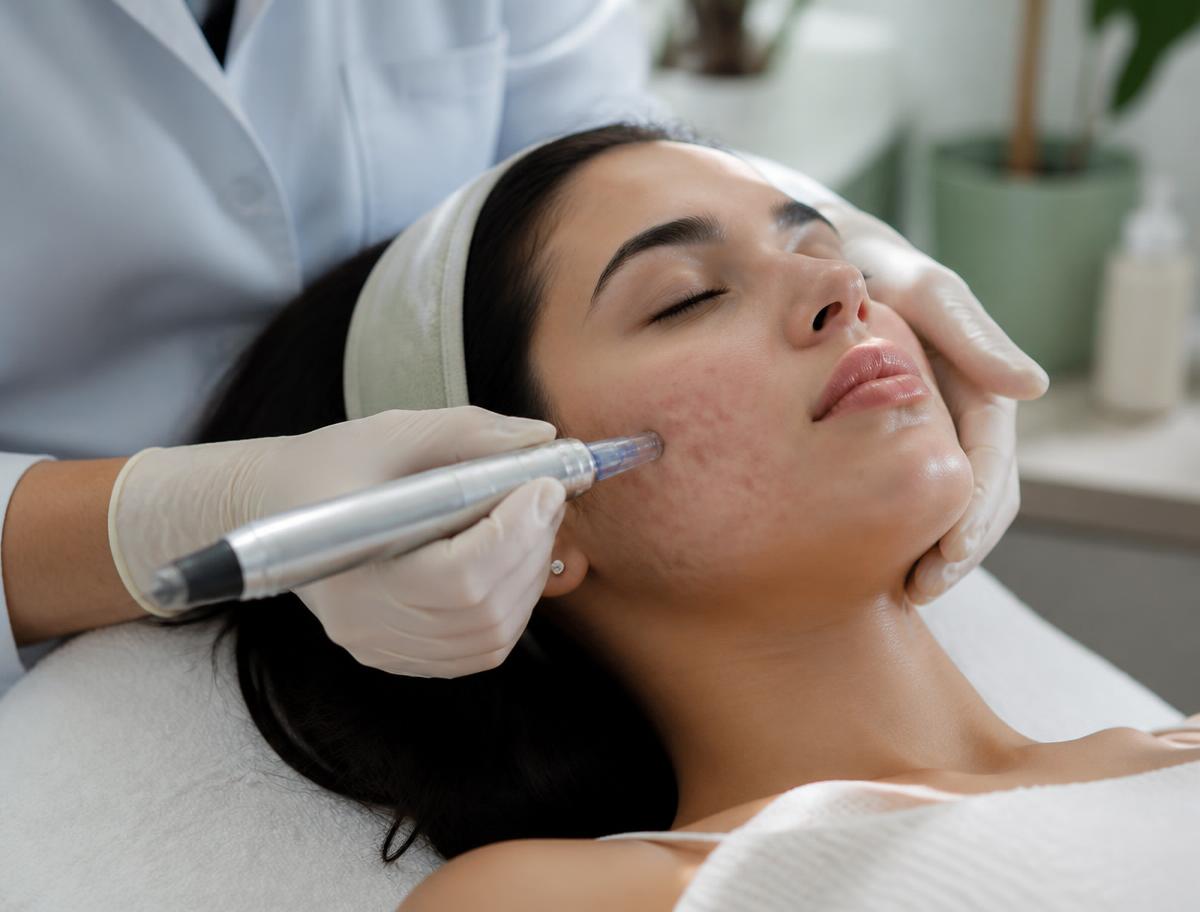
Before the procedure the face is assessed both at rest and during expression. The depth of the nasolabial lines and marionette folds is examined along with mid and lower face support.

A topical anaesthetic cream is applied to the area and left for about 15–20 minutes. Hyaluronic acid filler is then placed in the planned areas with a fine needle or cannula according to individual needs.

Mild swelling, tenderness or rarely bruising may occur afterwards. Most people can continue their daily routine.


Nasolabial, Marionette and Marionette-Line Fillers

Appointment

The cause of the lines and mid-face support are assessed together during consultation.

Appointment · +90 533 551 41 62

Definitions

01

What Are Nasolabial Lines?

Nasolabial lines are the natural facial folds running from the sides of the nose down towards the corners of the mouth.

Age-related loss of mid-face volume and support, changes in skin quality and repeated facial expressions can make these lines more pronounced.

In suitable candidates, nasolabial filler aims to reduce the depth of this area and soften the transition between the nose, cheek and mouth.

02

What Are Marionette Lines?

Marionette lines are the lines and grooves running downwards from the corners of the mouth towards the jawline. They are named after the mouth lines of marionette puppets.

Age-related volume loss, skin laxity and changes in lower face structure can all contribute to these lines becoming more pronounced.

Marionette filler can soften the appearance of these downward grooves, aiming for a more rested and balanced lower face.

03

What Is the “Chinese Moustache” Line?

“Chinese moustache” is a colloquial expression used to describe pronounced downward lines around the mouth. It is not a medical anatomical term and is often used to mean marionette lines.

For this reason it is important to examine the area the patient describes with this term and to determine the underlying cause of the line before treatment.

Eligibility

Who Are Nasolabial and Marionette Fillers Suitable For?

These treatments are particularly preferred for people;

  • those whose nasolabial lines from the nose to the corner of the mouth have become pronounced,
  • those with marionette lines extending downwards from the corners of the mouth,
  • those whose perioral grooves have deepened,
  • those who feel their lower face has a tired or sad expression,
  • those experiencing reduced mid and lower face support with age

women and men. The need for filler and the areas to be treated are determined according to individual facial anatomy.

Planning

01

Should Nasolabial Lines Always Be Filled Directly?

No. One of the reasons nasolabial lines become pronounced can be loss of volume and support in the mid-face.

In such cases, rather than injecting the line itself, the cheek and mid-face should be assessed first. Restoring mid-face support can, in some people, also reduce the appearance of the nasolabial line.

02

Do Marionette Lines Always Improve With Filler?

Marionette lines are not caused by volume loss alone; skin laxity, the activity of muscles pulling the corner of the mouth down and changes in the jawline can also play a role.

Therefore filler alone may be sufficient for some people, while others may need a combination with other treatments.

03

When Does It Settle and How Long Does It Last?

The effect becomes visible after the procedure. As the mild swelling of the first days subsides, the appearance becomes more natural. It is usually appropriate to wait 1–2 weeks to assess the final result.

Hyaluronic acid based nasolabial and marionette fillers last approximately 1 year. Longevity varies with the product used, the amount applied, how mobile the area is and individual characteristics.

Frequently Asked Questions About Nasolabial and Marionette Fillers

Nasolabial and Marionette Fillers Are Planned Individually

Nasolabial and marionette lines can be influenced by different components of facial ageing. For this reason not only the area of the line, but mid-face support, the cheeks, the perioral area, the chin and the jawline are assessed together.

The amount of hyaluronic acid and the treatment areas are determined according to individual facial anatomy, aiming for a softer, more balanced appearance that preserves natural facial transitions rather than erasing the lines.

Does nasolabial filler make the face look puffy?+

The aim is not to place large amounts of filler in the nasolabial area. The cause of the line and mid-face support are assessed together so that an appropriate amount is placed only where it is needed.

Can nasolabial lines be removed completely?+

The nasolabial fold is part of natural facial anatomy. The aim is therefore not to erase the line but to soften an overly deepened appearance while preserving natural expression.

Does marionette filler reduce the sad expression around the mouth?+

Softening the marionette grooves can help reduce a sad or tired appearance in some people. However, muscle activity and skin laxity also affect the corners of the mouth, so results vary from person to person.

Are “Chinese moustache” and marionette lines the same?+

“Chinese moustache” is not a medical term. In everyday use it usually refers to marionette lines running down from the corners of the mouth. As different people use it for different perioral lines, the area must be clearly assessed during consultation.

Are nasolabial and marionette fillers painful?+

A topical anaesthetic cream is applied beforehand. Brief stinging, pressure or tenderness may be felt during the procedure.

Can nasolabial and marionette fillers be dissolved?+

Yes. Hyaluronic acid fillers can be dissolved with the enzyme hyaluronidase when needed. The necessity of dissolving is assessed by the physician.

Can nasolabial or marionette filler be performed during pregnancy?+

Filler for cosmetic purposes is not recommended during pregnancy. It is preferable to postpone the procedure until after pregnancy.