Filler Applications

Lip Filler

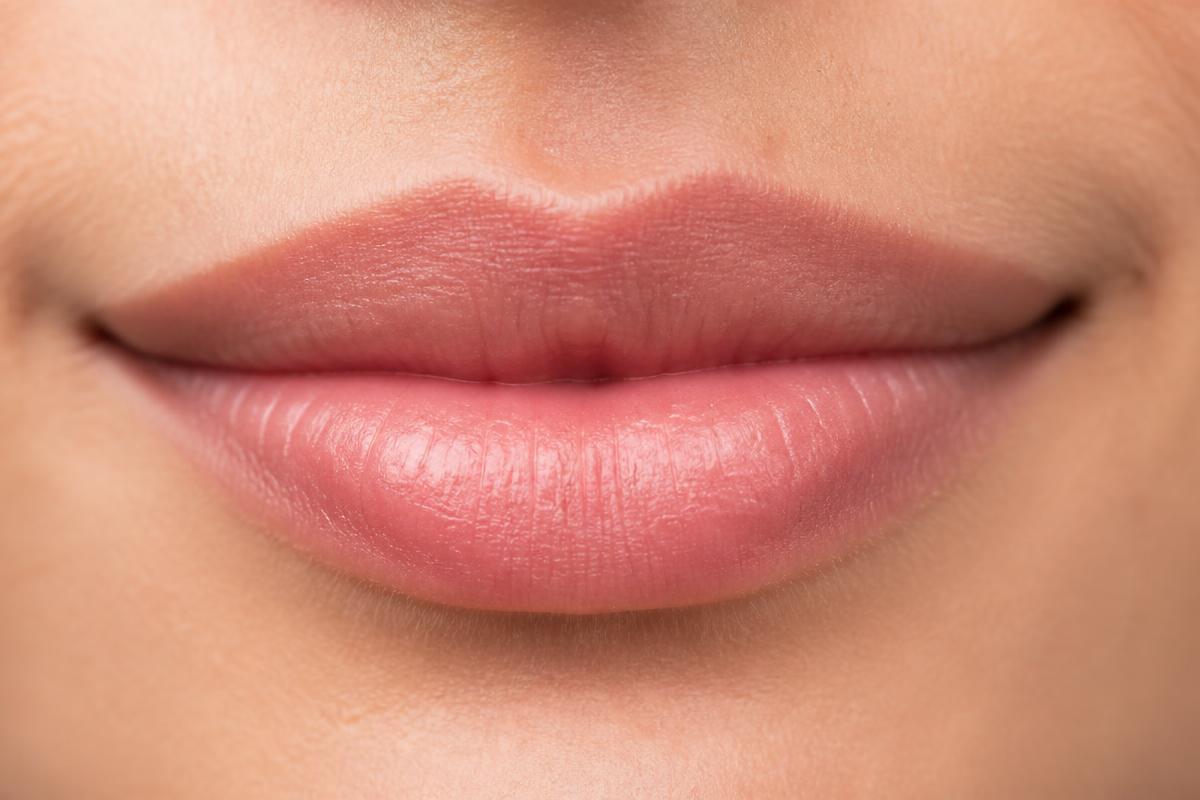
The goal of lip filler is not always bigger lips; a balanced, natural lip appearance in harmony with the face is targeted.

Overview

Lip filler is the application of mostly hyaluronic acid based fillers to the lip area in order to adjust the volume, shape and contour of the lips.

The procedure is performed not only to add volume, but also to define the lip contour, balance asymmetries, adjust lip proportions and reduce age-related volume loss.

The aim is not always to create larger lips. The person's facial structure, existing lip anatomy and expectations are evaluated to achieve a natural lip appearance in harmony with the face.

How Is Lip Filler Performed?

Before the procedure, the lip structure and facial proportions are evaluated, and the amount of filler and the injection points are planned.

A topical anaesthetic cream is applied to the lip area and left for about 15–20 minutes. The hyaluronic acid filler is then injected into the planned areas with a fine needle or cannula.

Temporary swelling, tenderness and rarely bruising may occur in the lips after the procedure.

Lip Filler

Appointment

The amount of filler, product selection and application technique are determined individually during the consultation according to lip anatomy.

Appointment · +90 533 551 41 62

Eligibility

Who Is Lip Filler Suitable For?

Lip filler is particularly suitable for;

  • Those who wish to add volume to their lips,
  • Those who want a more defined lip contour,
  • Those who wish to adjust the proportion between the upper and lower lip,
  • Those with lip asymmetry,
  • Those experiencing age-related loss of lip volume,
  • Those who want more defined yet natural-looking lips

women and men. Before the procedure, the structure of the lips, facial proportions and the person's expectations are evaluated together.

Scope

What Can Be Achieved with Lip Filler?

With lip filler, depending on the person's needs;

  • Lip volume can be increased,
  • The lip contour can be defined,
  • The proportion between the upper and lower lip can be adjusted,
  • Lip asymmetries can be reduced,
  • The lip corners and lip shape can be supported,
  • Age-related volume loss can be reduced.

The amount and technique are not the same for everyone. The areas where the filler is placed are determined according to the person's existing lip anatomy.

Process

01

When Does Swelling After Lip Filler Subside?

Because the lips are a vascular and sensitive area, swelling after the procedure is normal. It is usually more pronounced in the first days and gradually decreases afterwards.

The lip shape seen in the first days should not be considered the final result. As the filler settles and the swelling decreases, the lips look more natural.

It is generally appropriate to wait about 2 weeks to evaluate the final result.

02

How Long Does Lip Filler Last?

The longevity of hyaluronic acid lip fillers varies from person to person but is generally between 6 and 12 months.

Longevity may vary according to the properties of the filler used, the amount applied, the person's metabolism and lip mobility.

The filler is gradually broken down by the body over time and its effect diminishes.

03

How Is a Natural Lip Filler Achieved?

For a natural-looking result, not only lip volume but also lip shape, upper-lower lip ratio, overall facial structure and the person's existing anatomy are evaluated together.

Rather than applying the same amount of filler or creating the same lip shape for everyone, a result suited to the person's own anatomy is targeted.

Frequently Asked Questions About Lip Filler

Lip Filler Is Planned Individually

Every lip differs in shape, volume and proportion within the face. Therefore the amount of filler, product choice and technique are determined according to the person's lip anatomy and the desired result.

The aim is not just to increase lip volume, but to make the lips look balanced and natural in harmony with the rest of the face.

Do lips look too big after lip filler?+

The amount of filler is determined according to the existing lip structure and the desired result. The goal is not always to enlarge the lips; contour, proportion or asymmetry can be addressed with small amounts. Due to swelling right after the procedure, lips may look larger than the final result in the first days.

How many ml are applied for a first lip filler?+

There is no single suitable amount for everyone. The amount is determined by evaluating the existing volume, anatomy and the desired change. When necessary, filler can be planned gradually rather than in large amounts in a single session.

Is lip filler painful?+

A topical anaesthetic cream is applied beforehand, and some lip fillers also contain a local anaesthetic. Even so, brief tenderness or stinging may be felt during injection.

Is swelling after lip filler normal?+

Yes. Swelling after lip filler is expected. It is usually more pronounced in the first days and decreases over time. The degree of swelling can vary from person to person.

Can lip filler be dissolved?+

Hyaluronic acid fillers can be dissolved when necessary using an enzyme called hyaluronidase. The need for dissolving and the amount to be used should be assessed by the physician.

Does lip filler disappear completely over time?+

Hyaluronic acid fillers are broken down by the body over time. However, how long it takes to fully diminish varies with the product used, the amount applied and the person's metabolism.

If I stop having lip filler, will my lips look worse than before?+

As the effect diminishes over time, the lips gradually return towards their previous volume. Stopping lip filler alone does not make the lips worse or saggier than before.

Can lip filler be performed during pregnancy?+

Lip filler for cosmetic purposes is not recommended during pregnancy. It is preferable to postpone the procedure until after pregnancy.

Who should not have lip filler?+

The procedure should be postponed in people with an active infection or cold sore in the treatment area. Cosmetic application is not recommended during pregnancy. Existing medical conditions, medications and previous filler procedures should be evaluated beforehand.