Eksozomlar, hücreler tarafından salgılanan ve hücreler arası iletişimde rol oynayan çok küçük ekstrasellüler veziküllerdir.
Overview
Exosomes are very small extracellular vesicles secreted by cells that play a role in intercellular communication. Carrying biological molecules such as proteins, lipids and RNA, they take part in signalling between cells.
In dermatology, exosome treatments are used and researched to support skin quality and renewal processes, support post-procedure healing and assist hair loss treatments.
The source and preparation method of exosomes may differ. Autologous exosomes, umbilical cord derived exosomes and plant derived exosome-like vesicles are different approaches encountered in this field.
Not every exosome product has the same content and biological properties. The source, production and purification method and application form of the product therefore matter.
What Are Exosomes?
Exosomes are not cells or stem cells. They are nano-sized extracellular vesicles secreted by cells to communicate with their environment.
Depending on their source, they may contain varying amounts of;
proteins,
lipids,
nucleic acids such as RNA and microRNA,
various molecules involved in cellular communication
The biological properties of exosomes vary with the cell or tissue they are derived from. The label “exosome” alone therefore does not mean two products are the same.
Appointment
The source of the exosome and the protocol are determined individually during the consultation.
Exosomes and exosome-like products can be grouped according to the source they are obtained from.
01
Autologous Exosomes
Autologous exosome describes treatments using extracellular vesicle/exosome-rich fractions prepared from a person's own biological material.
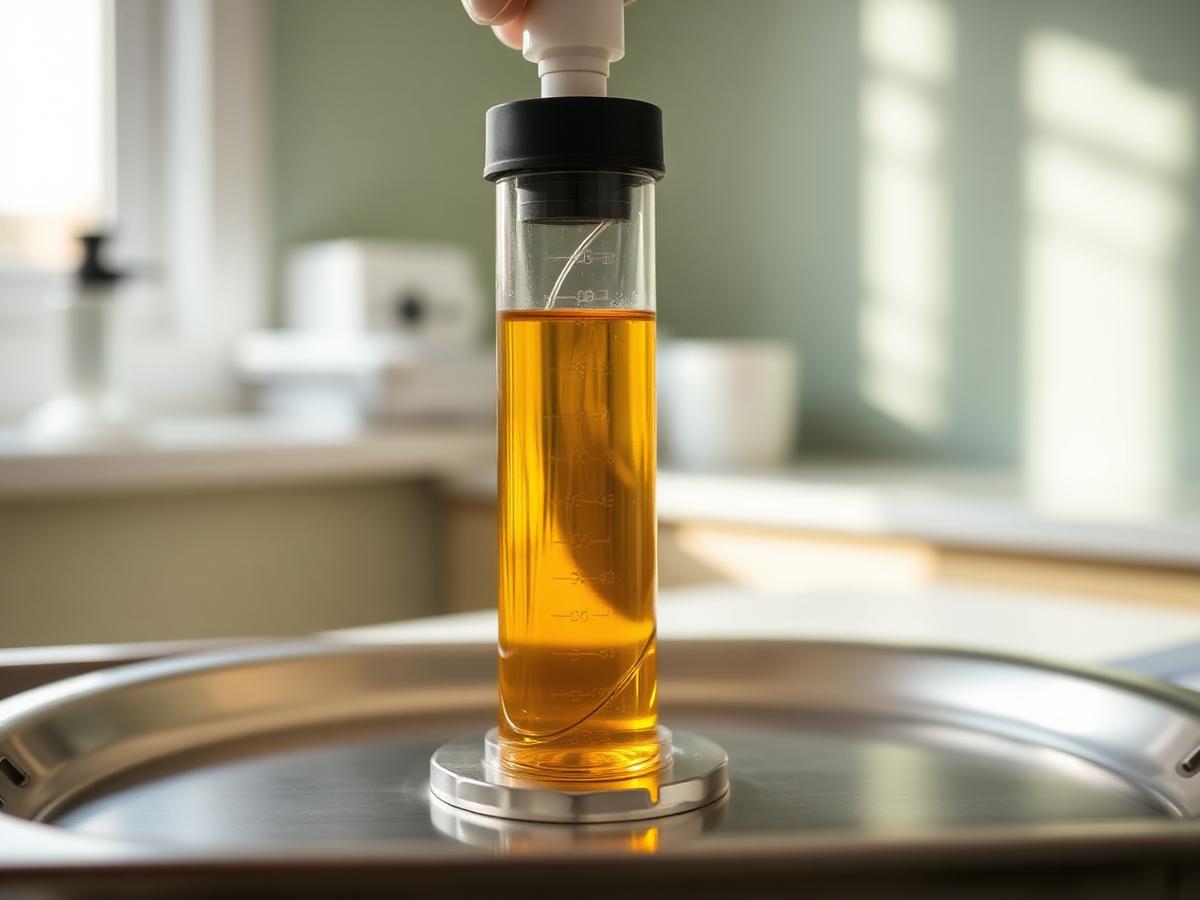
In blood-based autologous systems, the person's blood is processed to prepare a product rich in exosomes or extracellular vesicles, which is then applied to the same person.
The defining feature of autologous treatments is that the biological material comes from the person themselves.
Are autologous exosomes the same as PRP?
No. Although both can be prepared from the person's own blood, they are not the same treatment.
PRP (Platelet Rich Plasma) is platelet-rich plasma. Autologous exosome systems aim to obtain a fraction rich in extracellular vesicles/exosomes.
Their preparation methods and the content of the resulting product differ.
02
Umbilical Cord Derived Exosomes
Umbilical cord derived exosomes are products containing extracellular vesicles obtained from cellular sources related to umbilical cord tissue.
This approach differs from autologous exosomes. The product is not prepared from the person's own blood; it is obtained in a laboratory from specific cellular sources and undergoes various production, purification and quality control processes.
Their content and properties vary with the cellular source, production method, purification processes and product standardisation.
Exosome products from different brands or produced by different methods should therefore not be considered equivalent.
03
What Are Plant Exosomes?
The term “plant exosome” is used colloquially for nano-sized extracellular vesicles obtained from plants.
In the scientific literature these structures are often called plant-derived extracellular vesicles or exosome-like vesicles.
Their potential effects on cellular communication, antioxidant mechanisms, inflammation and tissue renewal are being researched.
However, plant-derived exosome-like vesicles should not be assumed to have the same structure, content or biological effect as exosomes derived from human cells.
Research into their dermatological applications is ongoing.
Comparison
What Is the Difference Between Autologous, Umbilical Cord and Plant Exosomes?
The main difference is the source of the product.
Autologous exosomes are prepared from the person's own biological material, while umbilical cord derived products come from sources related to human cells or tissues. Products called plant exosomes contain plant-derived extracellular or exosome-like vesicles.
As the source changes, so can the content, production method, purification process and biological properties of the product.
When planning an exosome treatment, therefore, attention should be paid not only to the word “exosome” but also to the source and properties of the product.
Applications
What Is Exosome Treatment Used For?
Depending on individual needs, exosome treatments in dermatology may be considered for;
supporting skin quality,
supporting skin renewal processes,
treatments targeting fine lines and skin texture,
supporting treatments for skin tone and pigmentation concerns,
as an adjunct to acne scar treatments,
supporting healing after procedures such as laser and gold needle,
supporting hair loss treatments
While studies on the dermatological use of exosomes are promising, there are significant differences between the products used and the application protocols.
Skin Renewal With Exosomes
Because of their potential to support mechanisms related to cellular communication and tissue renewal in the skin, exosomes are being researched for skin renewal treatments.
In suitable candidates they can be considered as part of treatments targeting skin texture, elasticity, fine lines and overall skin quality.
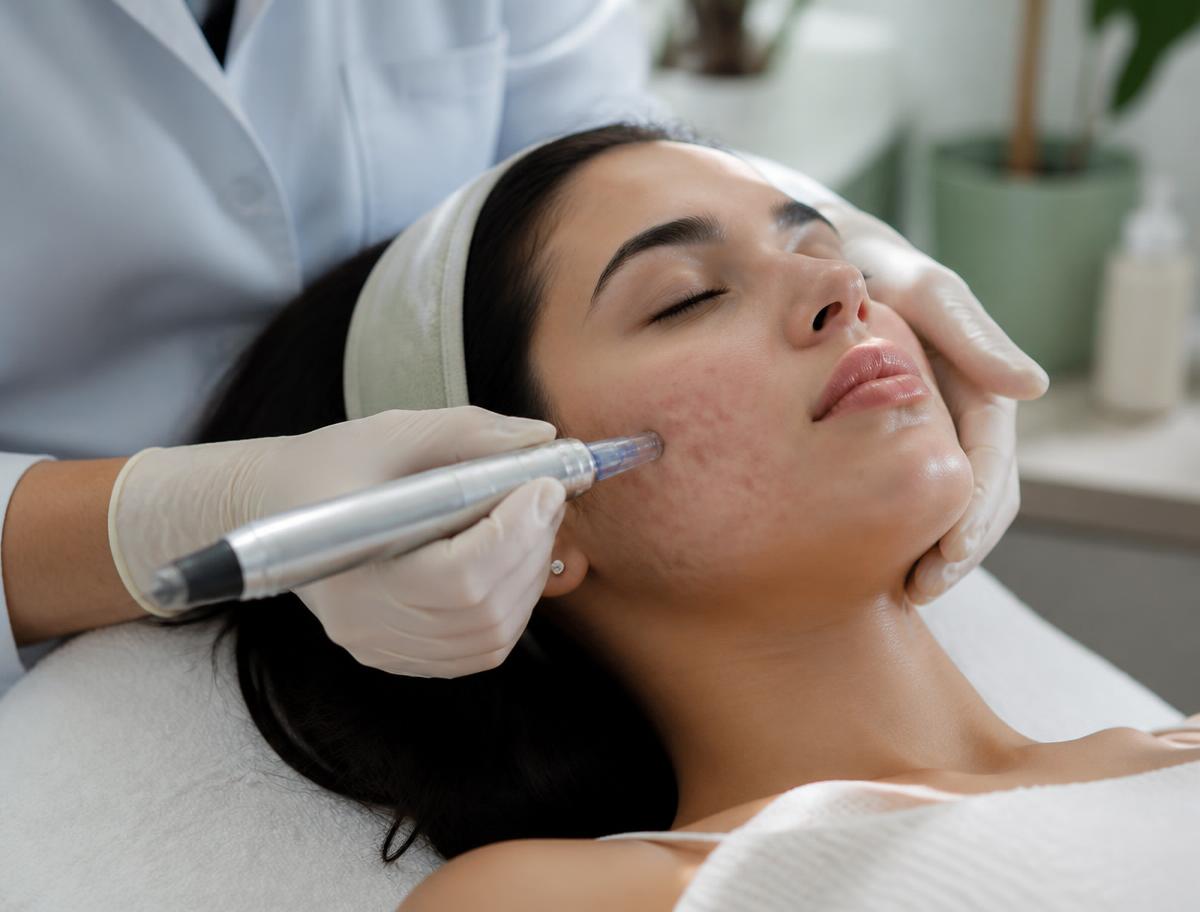
Exosome treatments can be planned in particular alongside procedures creating controlled skin renewal, such as gold needle, microneedling or fractional laser.
Can Exosomes Be Combined With Gold Needle?
Yes. Exosome application can be added to the plan after gold needle (microneedling radiofrequency).
Gold needle creates controlled microchannels and a thermal effect that stimulate collagen production and remodelling, while exosomes can be used to support the skin's renewal process.
Can Exosomes Be Combined With Laser?
Exosomes can also be used after skin renewal procedures such as fractional laser.
After the controlled tissue response created by laser, exosomes may be used to support healing and remodelling.
Which combination is appropriate depends on skin type, the laser used and the concern being treated.
Are Exosomes Used in Hair Treatment?
Exosomes are also being researched for hair loss treatments because of their potential effects on cellular signalling in the hair follicle.
There are studies on supporting hair density and quality, particularly in androgenetic alopecia.
However, hair loss has many different causes. Its cause should therefore be evaluated with a dermatological examination before exosome treatment.
Exosomes should be regarded as a treatment supporting the plan in suitable candidates, not as a standard hair loss therapy replacing necessary medical treatment.
How Is Exosome Treatment Performed?
The application method varies with the properties of the product used and the aim of the treatment.
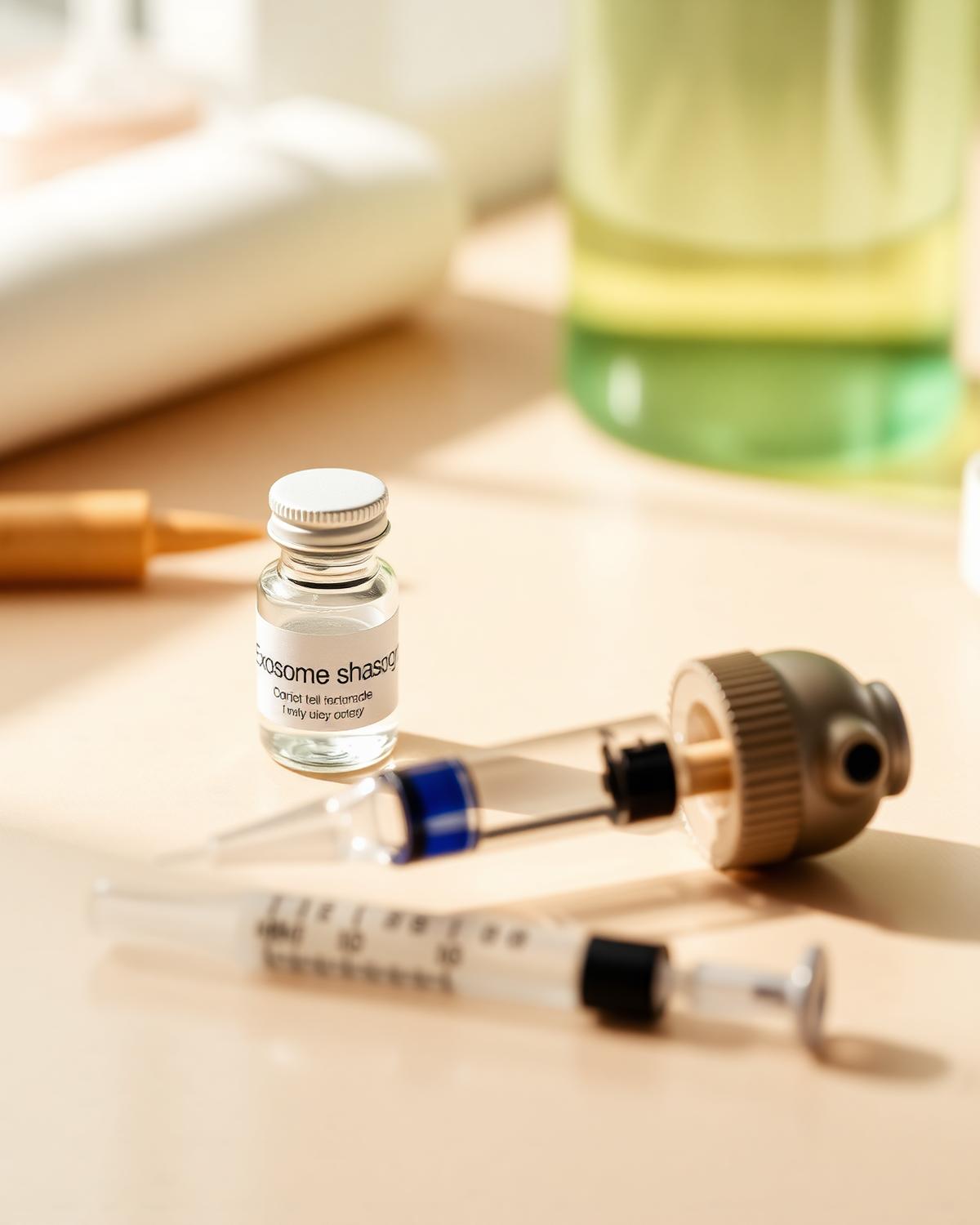
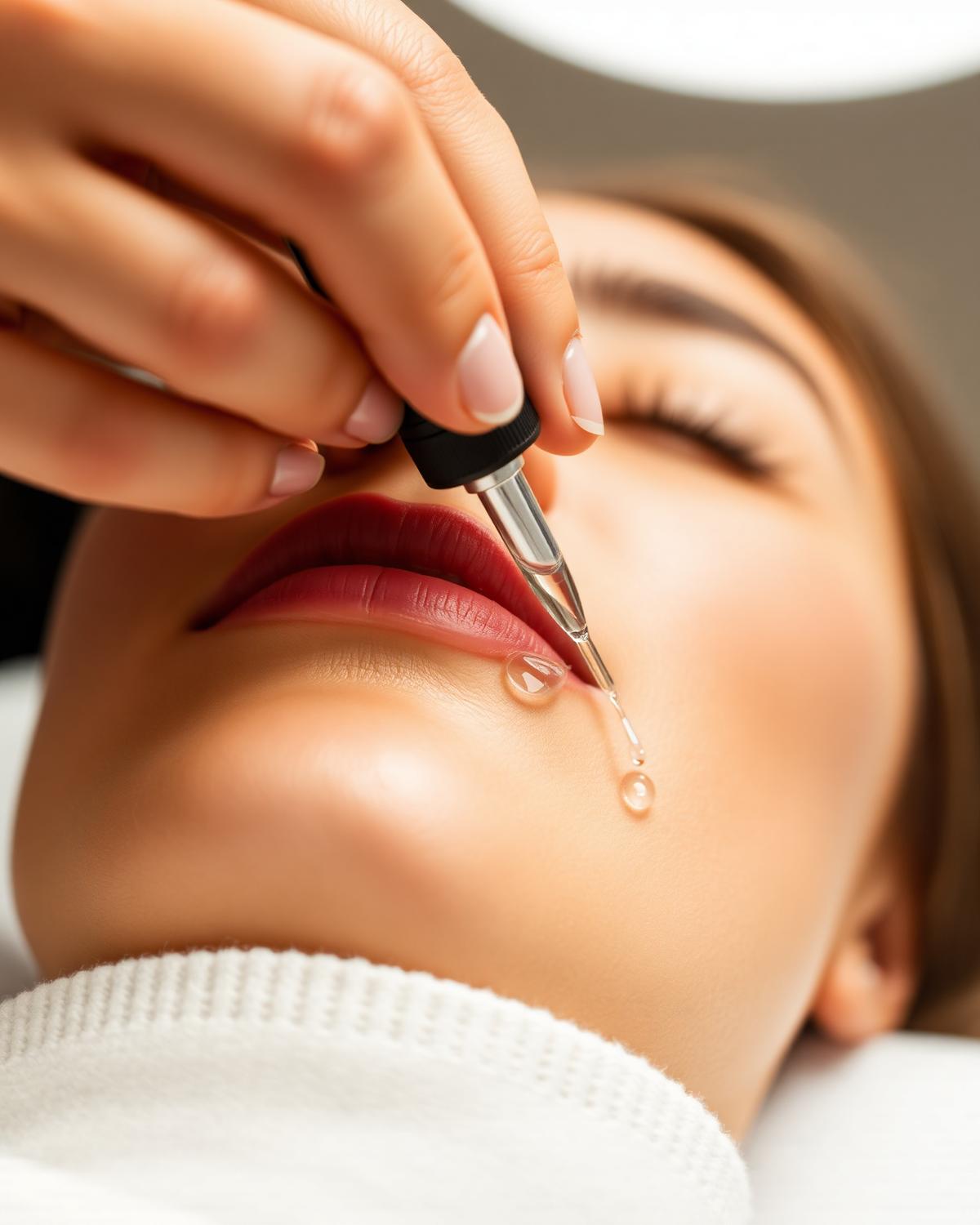
In some protocols exosomes are applied to the skin after procedures such as microneedling, gold needle or laser. The approved use and protocol of the product must be observed.
In autologous systems, the biological material taken from the person is prepared according to the system used and made ready for application.
The method is determined by the doctor according to the individual and the product used.
How Many Exosome Sessions Are Needed?
There is no single session count that applies to everyone.
The number of sessions depends on;
the source and properties of the exosome used,
whether the treatment targets the skin or the scalp,
accompanying procedures such as gold needle or laser,
individual needs and response to treatment
When Are the Effects Visible?
The skin renewal and remodelling processes targeted by exosome treatments develop over time.
Results are therefore usually assessed gradually over weeks. When combined with laser or gold needle, the timeline may also vary with the characteristics of the other procedure.
Frequently Asked Questions
Exosome Treatment Is Planned Individually
Exosome is not a single product or a standard treatment method. Autologous, human cell or tissue derived and plant derived products can have different properties.
When planning treatment, therefore, the source, preparation and production method, application form and accompanying dermatological procedures should be evaluated alongside individual needs.
Depending on individual needs, exosome treatments can be planned together with gold needle, microneedling, fractional laser or other hair loss treatments.
Are exosomes stem cells?+
No. An exosome is not a stem cell or a living cell. They are extracellular vesicles secreted by cells that carry biological signals between cells.
Are all exosomes the same?+
No. The source, production, purification and preparation of an exosome affect the product's properties. Autologous, human cell/tissue derived and plant derived products should therefore not be considered the same.
Are autologous exosomes prepared from the person's own blood?+
In blood-based autologous systems, the aim is to prepare an extracellular vesicle/exosome-rich fraction from the person's own blood.
Autologous exosomes or PRP?+
The content and preparation of the two treatments differ. Which one is preferred should be decided according to individual needs, the treatment area and the aim of treatment.
Are plant exosomes the same as human-derived exosomes?+
No. Plant-derived vesicles and exosomes obtained from human cells differ in content and biological properties, so they should not be regarded as direct equivalents.
Do exosomes rejuvenate the skin?+
There are studies investigating their potential effects on skin renewal, elasticity, texture and pigmentation. However, scientific data in this area continues to evolve and results may vary with the product and method used.
Can exosomes be used for acne scars?+
In suitable candidates they can be considered alongside acne scar treatments such as gold needle, microneedling or fractional laser to support healing and remodelling.